
CNC Catch Basin Cleaning
The grate is only the top of the problem.
What it is
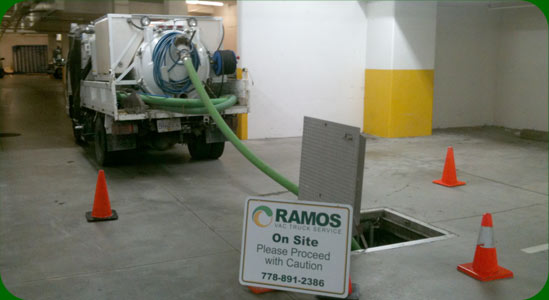
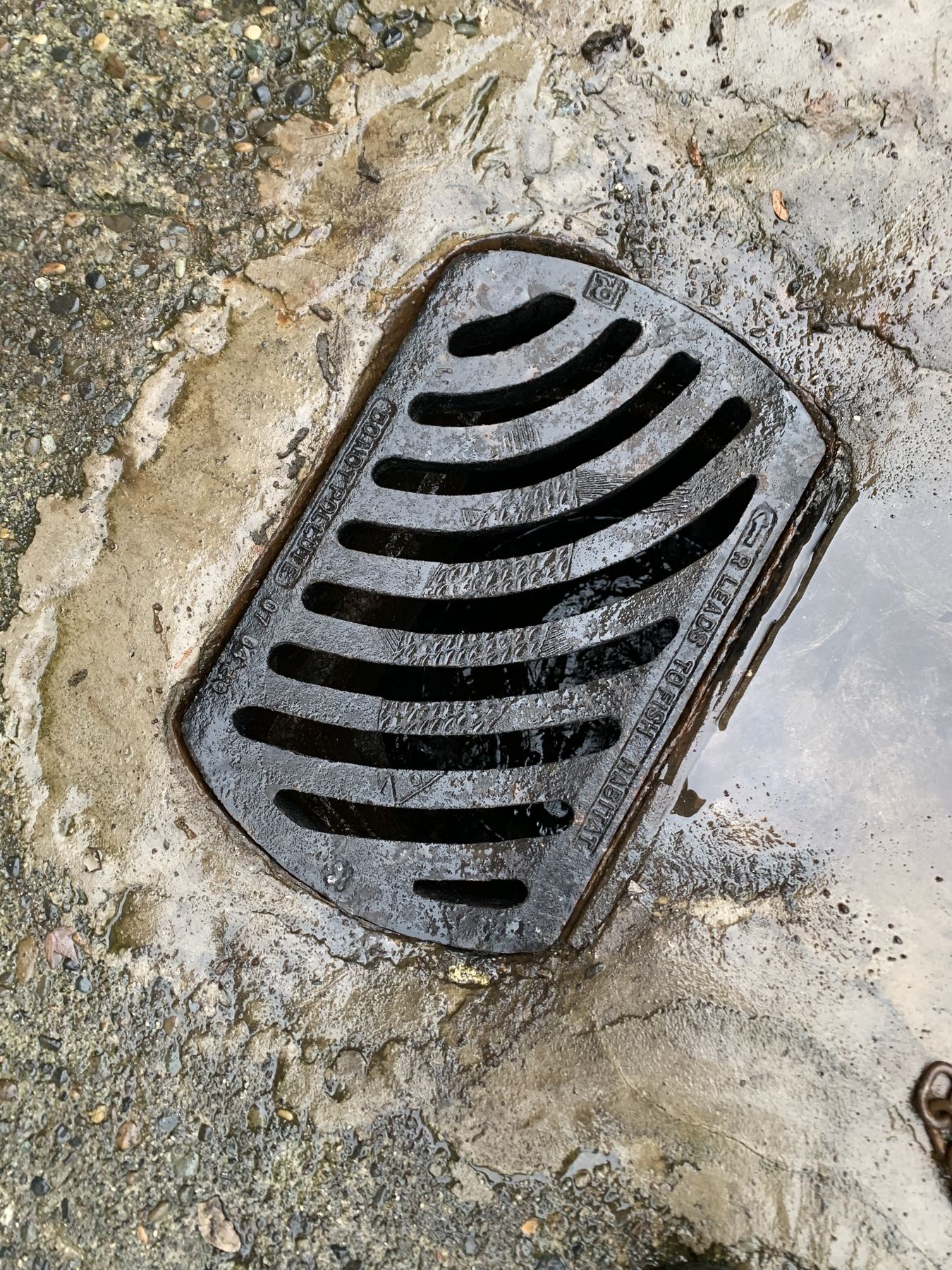
Catch basins are where a parkade's drainage system stops making sense on its own. The grate looks clear from above, while the basin below it fills with the sediment, gravel and grease that the wash and the rain pushed in. Once a basin is full, water has nowhere to go but back onto the floor of your parkade.
We clean out the basin, the interceptor and the trap in front of it, and haul everything away. Because it is done with a low-profile vac truck, the basins in the lowest, tightest corners of your structure get serviced too, instead of being written off as unreachable.
Who needs it
Every underground parkade with drainage inlets on the driveway level, and every property manager who has been told the water is pooling because of the building's grade. Buildings in the Lower Mainland get the rainfall to earn it, and a basin that is only half clear is a basin that will fail during the first storm of October.
How it works
The crew opens the grate, vacuums the basin down to the invert, and removes the trap and interceptor contents as well. We note the condition of the frame, the grate and the pipe entering the basin while we are there, so you hear about a cracked frame before it becomes a liability claim.
Sediment goes to licensed disposal, and the invoice records what was removed and from where, which is what your strata needs on file for drainage and environmental compliance.
What this covers
- Basins, traps, interceptors and oil/water separators
- Trench drains and driveway inlets
- Grate and frame condition noted on every visit
- Sediment sent to licensed disposal
- {"Reachable or not" => "we service the tight corners other trucks skip"}
The work
Questions we get
How often should catch basins be cleaned?
As a rule of thumb, underground parking lots should go no longer than one year between services. Buildings at the bottom of a slope, next to a construction site, or with a lot of tree cover need it more often. After our first visit we give you a recommendation for your specific site.
Is the sediment just dirt?
Usually a mix of road grit, sand, leaves, and oil and grease from vehicles. That last part is why it cannot simply be swept back onto the driveway, and why disposal goes to a licensed facility.
Do you clean the drain lines too?
Yes, and it is the order we recommend: hydro jet the lines to break the blockage loose, wash the parkade, then vacuum the basins that everything drained into.
Ready for a cleaner parkade?
Tell us about your building and we'll send a written quote within 24 hours, so you can put it straight into next year's budget.